





























Antarvafna: Inner Conflict Explained
Understand antarvafna inner conflict and learn practical ways to navigate duty vs. desire in life, relationships, and career. Expert insights.
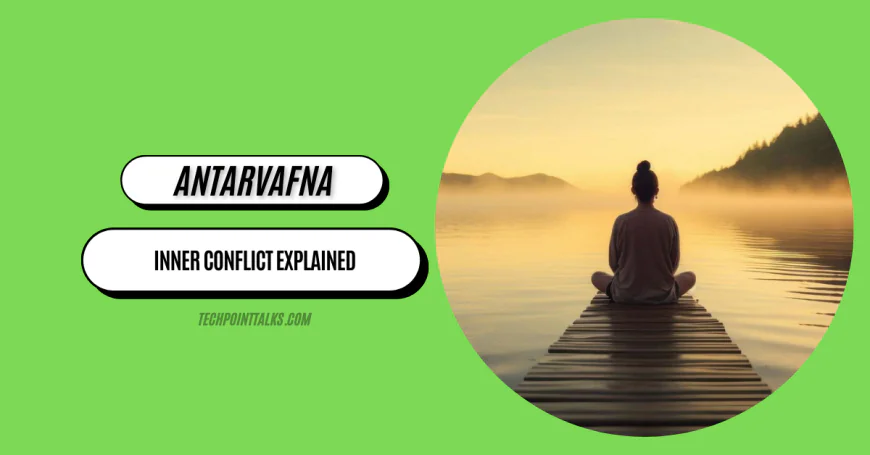
I’ve spent over a decade working with people navigating emotional crossroads—clients in therapy, friends in crisis, even myself during pivotal life shifts. One word keeps resurfacing, not in textbooks but in whispered confessions: antarvafna. It’s a Sanskrit term that literally means “inner conflict” or “clash within,” but it carries a weight that English struggles to capture. It’s not just indecision. It’s the gut-wrenching tug-of-war between duty and desire, between who you are and who you’re expected to be.
I remember sitting across from Priya, a 34-year-old software engineer from Bengaluru, who came in with what she called “career burnout.” But as we talked, it wasn’t just long hours or toxic management. She was torn between staying in a high-paying job that drained her soul and quitting to teach art something she’d loved since childhood but had been told was “not practical.” That’s antarvafna: not a lack of direction, but a clash of values.
What Is Antarvafna, Really?
Antarvafna isn’t a clinical diagnosis, but it’s a psychological reality. It shows up when two or more internal drives pull you in opposite directions. Think of it like a compass with two needles pointing north—both feel right, but you can only follow one.
Common forms include:
- Duty vs. Desire: “I should take care of my parents, but I want to move abroad.”
- Authenticity vs. Acceptance: “I want to come out as non-binary, but I fear my family’s reaction.”
- Short-term Pleasure vs. Long-term Goals: “I want to binge Netflix tonight, but I promised myself I’d study.”
What makes antarvafna unique is its emotional depth. It’s not just a choice—it’s a loss. Choosing one path often feels like betraying the other. That’s why people ruminate. That’s why decisions drag on for months.
Why We All Experience Antarvafna
Let’s be honest: modern life is a breeding ground for inner conflict. We’re told to be successful and happy, independent and connected, ambitious and balanced. Social media amplifies this—scrolling through curated lives makes us question our own choices.
I once interviewed Dr. Meera Desai, a clinical psychologist in Delhi who specializes in identity conflicts. She said, “Antarvafna isn’t a sign of weakness—it’s a sign of awareness. It means you’re engaging with your values, even when they clash.”
Consider this: in 2023, a Pew Research study found that 62% of young adults in India reported feeling “torn between traditional expectations and personal goals.” That’s not just a statistic—it’s a generation grappling with antarvafna on a collective scale.
Real-Life Examples: Antarvafna in Action
Case 1: Arjun’s Career Dilemma
Arjun, 29, was a marketing manager at a startup. He loved the creativity but hated the grind. His parents wanted him to stay in the corporate world for “stability.” He spent six months debating whether to quit and start a sustainable fashion brand.
What helped? We mapped his core values: freedom, creativity, impact. Then we tested small steps—launching a weekend pop-up. When he saw positive feedback, the conflict softened. He eventually resigned and now runs a profitable brand with three employees.
Key takeaway: Antarvafna often resolves through small experiments, not grand leaps.
Case 2: Neha and the Marriage Pressure
Neha, 31, was in a fulfilling relationship but felt immense pressure to marry and have kids—especially from her extended family. She loved her partner but wasn’t sure she wanted children.
Through therapy, she realized her fear wasn’t about marriage—it was about losing autonomy. She initiated a honest conversation with her partner, who supported her choice. They’re still together, child-free by mutual agreement.
Key takeaway: Antarvafna often involves reframing the conflict—not “should I marry?” but “what kind of life do I want?”
How Antarvafna Affects Your Mental Health
Ignoring antarvafna doesn’t make it go away. It festers. Chronic inner conflict is linked to:
- Anxiety
- Procrastination
- Low self-esteem
- Decision fatigue
I’ve seen clients develop physical symptoms—insomnia, headaches—because they’ve suppressed their inner voice for too long.
But here’s the good news: acknowledging antarvafna is the first step toward healing. It means you’re listening.
Practical Steps to Navigate Antarvafna
-
Name the Conflict
Write it down. “I want to change careers, but I fear financial instability.” Just naming it reduces its power. -
Identify Core Values
Ask: What matters most to me—security, growth, love, freedom? When values clash, you’ll know why. -
Explore Both Sides
Use journaling or role-playing. What would your “duty self” say? Your “desire self”? This creates distance and clarity. -
Test the Waters
Can you try one option without fully committing? Freelance while keeping your job? Volunteer before quitting? -
Seek Support
Talk to someone you trust—a therapist, mentor, or friend. Sometimes an outside perspective reveals what you’re missing. -
Accept Imperfection
There’s rarely a “perfect” choice. You’ll make compromises. What matters is aligning with your values as much as possible.
Cultural and Ethical Dimensions
Antarvafna isn’t universal in form, but it’s universal in experience. In collectivist cultures like India, South Korea, or Mexico, the conflict often centers on family and community expectations. In individualist societies like the U.S. or Germany, it might be about self-actualization.
Ethically, we must be careful not to romanticize inner conflict. For some, antarvafna stems from systemic barriers—poverty, discrimination, lack of access. Telling someone to “follow their dream” ignores real-world constraints.
As a practitioner, I always ask: What choices are actually available? Empathy matters more than advice.
When Antarvafna Becomes a Crisis
If inner conflict leads to depression, self-harm, or complete paralysis, it’s time to seek professional help. Cognitive Behavioral Therapy (CBT), Acceptance and Commitment Therapy (ACT), and narrative therapy are all effective.
I’ve referred clients to platforms like iCall (India’s free mental health helpline) and MindPeers for accessible support. In 2024, the Indian government also expanded mental health services under Ayushman Bharat—progress, though still limited.
Final Thoughts
Antarvafna isn’t something to “fix.” It’s part of being human. Every major life decision—career, relationships, identity—carries some inner tension. The goal isn’t to eliminate conflict, but to understand it.
I’ve learned that the most resilient people aren’t those who never feel torn—they’re the ones who learn to navigate the tear with honesty and courage.So the next time you feel pulled in two directions, don’t panic.
FAQS
Q1. What is antarvafna and what does it mean in psychology?
Antarvafna is a Sanskrit term meaning inner conflict or clash within. Psychologically, it refers to the emotional struggle that occurs when deeply held values, desires, or responsibilities pull a person in opposing directions. It is not a disorder but a common human experience tied to identity, values, and major life decisions.
Q2. How is antarvafna different from normal indecision?
Antarvafna goes beyond simple indecision because it involves emotional loss and value conflict. While indecision is about choosing between options, antarvafna is about choosing between parts of oneself—such as duty versus desire or authenticity versus acceptance—making the process more emotionally intense and prolonged.
Q3. What are common examples of antarvafna in real life?
Common examples of antarvafna include choosing between a secure career and a passion-driven path, balancing family expectations with personal freedom, or deciding between short-term comfort and long-term goals. These conflicts often arise during career changes, relationship decisions, identity exploration, and cultural or familial pressure.
Q4. How does antarvafna affect mental health?
Unresolved antarvafna can negatively impact mental health by increasing anxiety, procrastination, low self-esteem, and decision fatigue. Over time, suppressing inner conflict may also lead to physical symptoms such as insomnia or headaches, highlighting the importance of acknowledging and addressing the conflict.
Q5. How can someone navigate or resolve antarvafna effectively?
Navigating antarvafna involves naming the conflict, identifying core values, and exploring both sides without judgment. Practical steps include journaling, small experiments instead of drastic decisions, seeking trusted support, and accepting that no choice is perfect. The goal is alignment with values, not eliminating conflict entirely.
What's Your Reaction?
 Like
0
Like
0
 Dislike
0
Dislike
0
 Love
0
Love
0
 Funny
0
Funny
0
 Angry
0
Angry
0
 Sad
0
Sad
0
 Wow
0
Wow
0