
































Holisticke Living: A Transformative Approach to Wellness & Well-being
Holisticke Living: Transform your well-being! Embrace a holisticke approach to wellness, integrate holisticke practices, and find emotional balance & vitality.
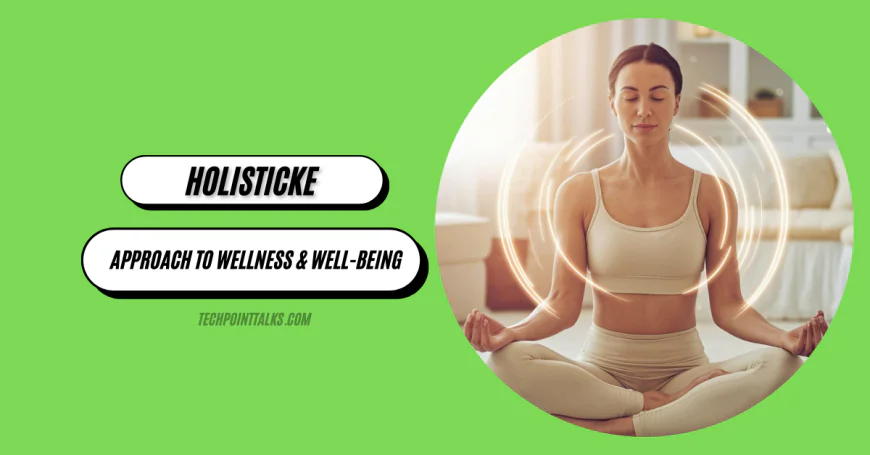
Holistic living is a radical way of approaching wellness that employs relationship between mind, body and spirit. It helps people take care of their general well-being by engaging in activities that bring about different elements of life. The focus of this holistic approach is self-awareness and mindfulness, a need to know oneself better and have a balanced, vital life.
Understanding Holistic Living
Holistic living is a comprehensive approach to healing that focuses on the interreligiousness of different spheres of life and aims at tackling emotional, mental, and spiritual levels. In its essence, holistic living is associated with being balanced and harmonious with oneself.
It understands that everyone is a unique person that is developed by his/her experiences, environment, and ways of life. Among other therapies provided under holistic practices are meditation, energy healing and promote self-awareness by teaching the individual to listen to his or her bodies.
The Importance of Well-being in Holistic Practices
The health view of holistic living has a refreshing outlook- it encourages people to adopt an integrated approach to health and focuses on the liveliness or the general wellbeing of people and not just the lack of diseases.
Through the holistic approach, the holistic practices promote self awareness, mental clarity and emotional balance. The ability to live holistically assists people in embracing a holistic lifestyle, which includes mindfulness and holistic wellness in their everyday lives that have the long-term benefit of improving their health and well-being.
Core Principles of the Holistic Approach
The description of the holistic approach has some important points, which are mentioned here. It underlines interconnectedness taking into account the following factors:
- Physical health
- Emotional well-being
- Mental clarity and spiritual elements
All these are the elements of general wellness. Moreover, personalized care is also a central value, which provides advice according to individual needs. This is also a framework of community support. The holistic practices appreciate prevention, mindfulness, and self-growth, and lead people into the state of complete balance and resilience.
Exploring Holistic Wellness
The holistic approach is based on mental and emotional well-being. Once we tend to our mental health, we make room to feel overall good, it enables us to strengthen our relationships with others and encourages healing through previous events.
One of the ingredients of emotional balance is practicing holistic living. It also assists people to acquire self-awareness to enable them identify and resolve emotional needs that eventually build resilience and make them more energetic.
Common Misconceptions About Holistic Wellness
There is need to eliminate misguided beliefs on holistic wellness. A common misconception is that the holistic approach is just a fashion or a Band-Aid solution. It is, in fact, a lifetime commitment and integration of practices into the day-to-day lives that reflect emotional well-being.
It is not only related to physical health, but also to emotional and spiritual aspects. It is a form of building stronger ties with self.
Benefits of Embracing a Holistic Lifestyle
A holistic approach has many advantages that contribute to the overall well being. This multidisciplinary approach leads to the positive change in a number of areas and some of them are:
- Improved mental clarity.
- Increased energy levels and greater vitality.
- Stress reduction.
- Greater resilience against life’s challenges.
This practice brings about a balance of the body, mind and results in a higher level of wellness.
Incorporating Holistic Living into Your Daily Life
Holistic living can be introduced in your everyday life with the help of small, planned steps. A holistic lifestyle entails taking up practices that take good care of your mind, body and soul. To begin with, you can explore such practices as:
- Yoga
- Tai chi
These combine sombre movement with mind-awareness and allow a more serious relationship between body and mind. Another point of departure would be a couple of minutes of meditation each day, which would certainly improve your ability to think clearly and your mood.
Integrating Holistic Approaches into Your Routine
In the contemporary lifestyle, living a holistic life means incorporating its aspects in your life. This starts with mindfulness- the act of spending time to be in touch with yourself by meditating or practicing breathing that can help in clearing the mind and stabilizing emotions.
Learn to consciously eat healthy foods that are nutrient-rich. Exercise is obligatory; you need to find the types of exercise that you like best: yoga, walking in nature, and dancing. Self-expression and introspection can be done through mental wellness practices including journaling or creative activities.
Furnish your surroundings- make the environment conducive to serenity and peace at home or workplace. With these aspects instilled in the daily living, it is now possible to lead a holistic life, a step in the right direction to the better health of the entire being that is sustainable in the long term. Start every day mindfully.
Creating a Balanced Mind and Body Connection
With holistic practices, it can be easy to incorporate them into everyday life and it can be rewarding. Before plunging into your routine take time to meditate or do some deep breathing. Take into account incorporating movement with which you can relate.
It could be yoga, tai chi or simply a brisk walk through nature; whatever provides your body and soul with nourishment, do it. Creative sources can also improve well-being. Journaling, painting and listening to music:Journaling:
As an activity to express emotions and touch the inner soul, you can write about your feelings and thoughts in a journal. Painting: You can use a paint and paint about your feelings and thoughts in a journal to connect with the inner soul.
Listening to music: You can listen to music as an activity to express emotions and touch the inner soul. This brings about a unified whole wellness.
Holistic Practices for Transformative Wellness
Holistic therapies have varied ways of taking care of the body, mind, and spirit, which is among the fundamental principles of holistic living. These treatments will tend to incorporate diverse methods that are meant to facilitate emotional stability and well-being, as a whole.
When adopting holistic methods like aromatherapy or acupuncture, a person can undergo significant changes in his/her health and well-being and become more connected with their own bodies and understanding themselves better.
Such strategies tend to be a complement to traditional medicine since they offer a full treatment of wellness, where people are offered a comprehensive treatment that touches every facet of their being.
Mindfulness and Meditation as Holistic Tools
Mindfulness techniques play an essential role in fostering this connection. Practices like meditation and deep breathing enhance awareness of thoughts and emotions while promoting relaxation in the body; therefore, practicing holistic living improves mental health.
Practicing mindfulness is one effective tool within the holistic framework, encouraging individuals to stay present and aware of their thoughts and feelings without judgment.
By incorporating meditation and mindfulness into your daily life, you nurture not only your mental clarity but also your emotional balance, fostering a holistic approach to overall well-being. Wikipedia
Physical Practices to Enhance Holistic Well-being
Movement also plays an important part in relation to this. Practices like yoga involve physical workouts and mindfulness which allow gaining a better insight into the way emotions influence the body.
Adopting a holistic lifestyle leads people to get attracted to physical exercises that help to care about the physical and mental state. This comprehensive solution will improve physical health, make the mind clearer, and improve emotional health.
Physical practices should be an integral part of a holistic lifestyle and thus vitality and additional sense of overall wellness may be experienced.
Embracing the Holistic Way
A whole lot of people have acquired radically positive outcomes through the adoption of a holistic way of life. Going by the example of Sarah, who had problems with chronic fatigue, she chose to get acquainted with natural methods.
Mindfulness and herbal remedies helped her significantly to boost her energy level. Next, there is Mark who fought with the anxiety over a long period of time; paying attention to such holistic practices as yoga and meditation, he has found effective tools to address stress issues.
The other encouraging one is written by Lisa, who is a mom of three and has implemented holistic values in the life of her family; she has pioneered healthy eating and outdoor games that helped her family become closer to each other and strengthen their immunity. These success stories can be examples of how holistic living presents a renewing way of living.
The Future of Holistic Wellness
The holistic approach is also likely to keep gaining popularity in the society today as more people find the need to use natural solutions to the health issues plaguing them. As the focus on preventative health and well-being grows, holistic living is challenging to establish as a mass philosophy.
The holistic approach will probably grow as individuals place more and more emphasis on wellness and seek to have a more integrated relationship between the body and mind.
The future of holistic living is also bright since people will accept the concept of holistic living and continue to use it in order to become more healthy and enhance their general well-being and create a more balanced and vital life. The development of the holistic way of life is in its flexibility to the contemporary problems.
Additional Resources for Holistic Exploration
As a way of exploring more the world of the holistic living, one may consult certified holistic health practitioners. They are able to offer individual advice. Evidence-based information on different holistic therapies is available on online platforms like the National Center of Complementary and Integrative Health (NCCIH).
Your knowledge can be enhanced by taking part in community workshops and retreats that concentrate on whole person practices. Books, podcasts, and websites are available that are devoted to insights sharing.
Using these extra resources, you would be able to appreciate more the holistic way of life and incorporate them into the everyday routine and make the best of them, taking care of your mind, body and spirit as a whole.
Conclusion
Holistic living is a healthy lifestyle approach that is refreshing, which individuals call upon, to experience the transformational effect of bringing together mind, body, and spirit. At the bottom of its values, people have the chance to undergo a new life level, as it helps them feel better emotionally and see things with clarity.
This holistic lifestyle is not only beneficial in the physical sphere but also in the mental and emotional ones, and it fosters the feeling of wellness on a whole. Basic modifications can result into wider changes in the overall wellness. In spite of some popular myths surrounding the holistic approaches, the facts have remained that the approaches are successful to many individuals.
FAQS
Q1. What does being holistic mean?
Being holistic means focusing on the whole person mind, body, and spirit rather than treating isolated symptoms. It emphasizes balance, self-awareness, and overall well-being through mindful and healthy lifestyle practices.
Q2. What exactly does holistic care mean?
Holistic care is a comprehensive health approach that addresses physical, mental, emotional, and spiritual needs. It focuses on root causes of health issues and often combines conventional care with therapies like mindfulness, herbal remedies, and alternative practices.
Q3. Is holistic healing real?
Holistic healing can be effective for many people, especially when used alongside conventional medicine. While some methods are supported by research, others rely on personal experience, making professional guidance important.
Q4. What is an example of a holistic approach?
A holistic approach may include treating chronic pain through physical therapy, mindfulness meditation, acupuncture, and nutrition rather than medication alone, addressing both physical and emotional factors.
Q5. Can anyone practice holistic living?
Yes, anyone can practice holistic living by adopting mindful habits that support mental clarity, emotional balance, and physical health. It’s a gradual lifestyle journey focused on intentional, balanced choices.
What's Your Reaction?
 Like
0
Like
0
 Dislike
0
Dislike
0
 Love
0
Love
0
 Funny
0
Funny
0
 Angry
0
Angry
0
 Sad
0
Sad
0
 Wow
0
Wow
0