
































Cellulogia Guide: Real Solutions for Skin
Dive deep into Cellulogia with expert insights on skin texture, connective tissue health, and effective treatments. Discover realistic strategies to manage cellulite through biology-based lifestyle changes and clinical therapies.
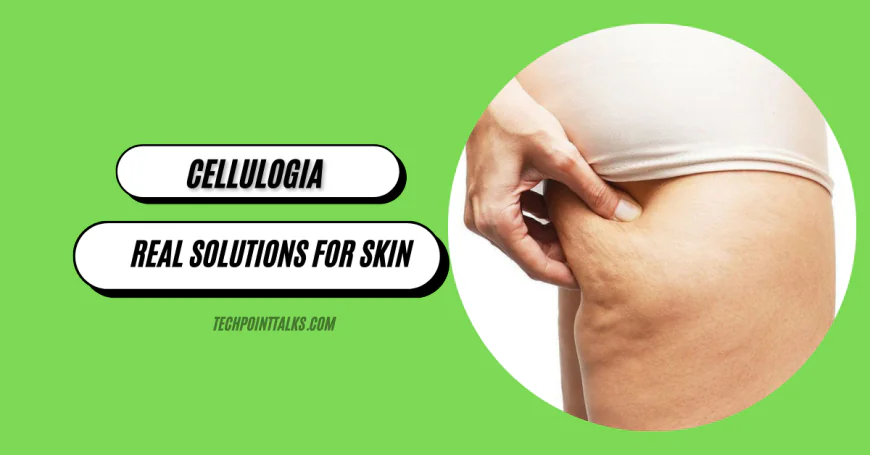
When we talk about Cellulogia, we are essentially discussing the complex biological architecture of our skin and how it manifests as the dimpling we commonly call cellulite. In my years of consulting with clients regarding skin health, I have noticed that this is rarely just a cosmetic concern; it is often tied to circulation, hormonal balance, and the structural integrity of connective tissue. It is important to realize that Cellulogia is not a disease or a medical failure, but rather a widespread physiological condition affecting nearly 90% of women at some point in their lives.
The bumps and ripples occur due to the unique way subcutaneous fat interacts with fibrous connective bands beneath the dermis. By understanding the root causes rather than just treating the surface symptoms, we can approach skin smoothing with a mindset grounded in realism and long-term health rather than falling for quick-fix marketing gimmicks that rarely deliver lasting results.
Decoding Cellulogia: More Than Just Fat
To truly grasp the concept of Cellulogia, we must look below the surface and understand the anatomy that creates the "orange peel" effect. Imagine a mattress: the stuffing is your fat cells, and the buttons that create the tufts are the collagen fibers, known as septae, which tether the skin to the underlying muscle. When fat cells expand or the fluid between them increases, they push upwards against the skin, while those fibrous bands pull down, creating the characteristic uneven texture.
This is why thin individuals can still struggle with significant cellulite; it is a structural issue regarding how fat is compartmentalized, not merely a measurement of total body fat percentage. Through my research and observations, I have found that addressing the flexibility of these collagen bands and the health of the fat cells themselves is far more effective than simply trying to lose weight, which often leaves the structural dimpling largely unchanged.
The Biological Triggers Behind the Dimples
Several biological factors contribute to the onset and progression of Cellulogia, creating a perfect storm for skin texture changes. Genetics play the most significant undisputed role, dictating your metabolism, distribution of fat under the skin, and circulatory efficiency. However, beyond the DNA lottery, we must look at the microcirculation within the dermis.
Poor blood flow and lymphatic drainage lead to fluid retention in the tissue matrix, which exacerbates the pressure on those fibrous bands I mentioned earlier. Over time, chronic fluid retention can cause the collagen bands to harden and lose elasticity, locking the dimpled texture into place. This process, often referred to as fibrosis, turns soft cellulite into hard, stubborn nodules that are much more difficult to treat.
Understanding that circulation is the lifeblood of smooth skin changes how we approach treatment, shifting the focus from starvation diets to movement and massage therapies that physically stimulate blood flow.
Hormonal Influence and Circulation
It is impossible to discuss Cellulogia without addressing the massive influence of hormones, particularly estrogen, which essentially dictates how female bodies store fat. Estrogen stimulates fibroblasts to produce collagenase, an enzyme that breaks down collagen, potentially weakening the connective tissue structure that keeps fat held flat.
Additionally, during puberty, pregnancy, and menopause, hormonal spikes and drops alter blood flow and lymphatic drainage, making women particularly susceptible during these life stages. I have observed that women who are estrogen dominant or taking hormonal contraceptives often report an increase in visible cellulite, suggesting a direct link.
Insulin and catecholamines also play pivotal roles; high insulin levels promote fat storage and inflammation, further aggravating the condition. By managing hormonal health through diet and stress reduction, we can often mitigate the severity of the changes, although complete prevention is difficult due to the overwhelming power of our biological programming.
Lifestyle Factors that Worsen Cellulogia
While biology loads the gun, lifestyle pulls the trigger, and modern sedentary habits are arguably the worst offenders for skin texture issues. Sitting for prolonged periods restricts blood flow to the buttocks and thighs, essentially cutting off the oxygen supply and lymphatic drainage necessary to keep connective tissues healthy. This stagnation causes fluids to pool and toxins to accumulate in the fat cells, causing them to swell and push harder against the skin.
Furthermore, tight clothing—specifically non-breathable synthetic fabrics and restrictive underwear—can mechanically impede lymph flow, acting like a tourniquet on your microcirculation. Smoking is another catastrophic habit for Cellulogia; it introduces free radicals that attack collagen and elastin, destroying the skin's structural support and making puckering more visible.
In my practice, the clients who see the best results are those who adopt a holistic approach, integrating regular movement breaks and looser clothing to physically allow their tissues to breathe and circulate freely.
Dietary Adjustments for Connective Tissue Health
Nutrition plays a fundamental role in managing Cellulogia, not just by controlling fat mass, but by strengthening the dermis itself. A diet high in processed salts and refined sugars is a recipe for disaster; salt causes immediate water retention which bloats the tissues, while sugar leads to glycation, a process where sugar molecules bind to proteins and stiffen collagen fibers. To combat this, I always recommend a diet rich in antioxidants and lecithin.
Foods like eggs, soy, and spinach contain lecithin, which helps repair cell membranes and improves the skin's texture. Hydration is also non-negotiable; drinking adequate water helps flush out the lymphatic system, reducing the edema that makes cellulite look worse.
Incorporating foods high in Vitamin C is equally crucial because it is the primary precursor for collagen production. By strengthening the skin from the inside out, the dermis becomes thicker and more resilient, effectively masking the fat lobules beneath.
Topical Treatments: Hope or Hype?
The market is flooded with creams promising to erase Cellulogia overnight, but as an expert, I must advise you to manage your expectations realistically. Most topical treatments cannot penetrate deep enough to restructure the fat or sever the fibrous bands causing the dimpling. However, that does not mean they are useless; ingredients like retinol and caffeine have proven benefits when used consistently.
Retinol helps thicken the epidermis over time, which can act as a better camouflage for the bumps below, while caffeine works as a vasoconstrictor and diuretic, temporarily dehydrating the fat cells to create a smoother appearance. I tell my readers to view these products as finishing touches rather than cures.
If you are applying a high-quality cream twice a day combined with vigorous massage, you will likely see a modest improvement in skin quality and tightness, but do not expect a topical lotion to perform the work of a surgical procedure or a complete lifestyle overhaul.
Ingredients That Actually Penetrate
When selecting products for Cellulogia, understanding ingredient delivery systems is just as important as the active ingredients themselves. Many modern formulations use liposomes—microscopic spheres that encapsulate active ingredients—to transport them deeper into the skin layers where they can actually make a difference.
Aside from retinol and caffeine, look for Centella Asiatica (Gotu Kola), a botanical extract that has demonstrated an ability to stimulate collagen synthesis and improve microcirculation in clinical settings. Another compound gaining traction is L-carnitine, which theoretically supports fat metabolism, though its topical efficacy is debated.
The physical act of applying these ingredients is also a major factor in their success; the friction and heat generated during application stimulate blood flow. Therefore, I often suggest using these active ingredients in conjunction with a tool or a deeply kneading application technique to maximize absorption and mechanical stimulation, ensuring you are getting the most out of your investment.
Mechanical Therapies and Lymphatic Drainage
If we accept that stagnation is a primary driver of Cellulogia, then mechanical stimulation is the logical counter-attack. Lymphatic drainage massage is a powerful tool that manually pushes trapped fluid out of the tissues and back into the lymph nodes for elimination. This reduces the swelling that makes cellulite pop and relieves the pressure on connective fibers.
Techniques like dry brushing, cupping, and professional treatments like Endermologie utilize this principle of negative pressure and mechanical manipulation to stretch the connective tissue and redistribute fluid. While these treatments offer temporary visual improvement—often lasting a few days—they require diligent maintenance.
I have seen clients achieve impressive results by dedicating ten minutes daily to dry brushing or using percussion massage guns on low settings. It is about consistency; you are essentially training your skin and tissues to remain fluid and flexible rather than stagnant and stiff.
Clinical Interventions for Stubborn Cases
For those seeking more dramatic changes in their Cellulogia, clinical interventions offer solutions that go beyond what diet and creams can achieve. Procedures like subcision are among the most effective; a dermatologist inserts a tiny blade under the skin to physically cut the tight fibrous bands pulling the skin down, releasing the tension and allowing the skin to snap back up.
Energy-based devices using radiofrequency (RF) or acoustic wave therapy are also popular; they heat the lower layers of the skin to stimulate massive collagen production and tighten existing fibers. These treatments address the structural root of the problem directly. However, they come with higher costs and potential downtime.
It is vital to consult with a board-certified provider who can assess whether your specific type of cellulite—whether it is adipose, aqueous, or fibrous—will actually respond to these high-tech interventions, as not all technologies work for every body type.
The Role of Collagen Stimulation
A recurring theme in managing Cellulogia is the absolute necessity of robust collagen production. As we age, our natural collagen factories slow down, causing the skin to thin and making the underlying fat texture more visible. This is why collagen induction therapies, such as microneedling, have crossed over from facial rejuvenation to body treatments. By creating controlled micro-injuries to the skin, we trigger a healing response that lays down new, fresh collagen and elastin.
When the skin is thicker and more elastic, it acts like a stronger spanx garment, holding the fat in place more effectively and smoothing the surface topography. I encourage combining internal collagen supplementation (hydrolyzed peptides) with external stimulation.
This dual approach ensures that your body has the raw materials it needs to repair the structural matrix of the skin, offering a defense against the natural degradation that worsens the appearance of cellulite over time.
Realistic Expectations and Mental Well-being
Perhaps the most critical aspect of dealing with Cellulogia is cultivating a healthy psychological perspective regarding body image. In the era of filtered social media, we often forget that cellulite is a secondary sexual characteristic of women; it is biologically normal, not an aberration. Striving for improvement is perfectly fine, but striving for perfection is a road to misery. I counsel my clients to focus on "skin health" and "firmness" rather than total eradication, which is often physiologically impossible due to the septae structure.
Celebrating what your body can do—run, lift, dance—helps shift the focus away from the aesthetic "flaws" on the back of your thighs. When you approach treatment as a form of self-care rather than self-punishment, you are more likely to stick to healthy habits like exercise and nutrition, which ironically yields better physical results than stress-induced crash dieting ever could.
Conclusion: A Holistic Path Forward
Ultimately, mastering Cellulogia requires a multi-faceted strategy that respects the complexity of human biology. There is no magic wand, but there is a cumulative effect from combining improved nutrition, targeted exercise, smart skincare, and perhaps clinical help for stubborn areas. It is about playing the long game—strengthening your connective tissue and optimizing your circulation day by day.
By understanding the science, you empower yourself to make better choices that save you money on ineffective products and focus your energy on what truly matters. We must accept that our bodies are dynamic, living systems that change with time, and managing skin texture is an ongoing process of maintenance.
For more in-depth scientific data on the anatomy of cellulite and current medical consensus on treatment efficacy, you can explore the extensive research provided by the Mayo Clinic.
FAQs
1. Is Cellulogia the same thing as obesity?
No, absolutely not. While excess body fat can make cellulite more visible, Cellulogia is a structural issue involving connective tissue and skin thickness. Many thin and athletic people have visible cellulite because of how their collagen bands tether skin to muscle, regardless of their weight.
2. Can drinking more water actually reduce cellulite?
Yes, to an extent. Dehydration causes the skin to thin and weaken, making the texture beneath more obvious. Proper hydration improves circulation and lymphatic drainage, which reduces the fluid retention and bloating that often exacerbates the appearance of lumpy skin texture.
3. Do anti-cellulite creams provide permanent results?
Generally, no. Most creams offer temporary improvements by dehydrating fat cells or increasing blood flow to the surface. Once you stop using the product, the effect usually fades. However, creams with retinol can build collagen over months, offering slightly longer-lasting structural benefits.
4. Why do men rarely get Cellulogia compared to women?
It comes down to structural anatomy. Men's connective tissue bands form a crisscross or "X" pattern, which holds fat down effectively. Women's connective tissue runs vertically, like picket fences. When fat pushes up, it bulges through these vertical bars, creating the dimpled mattress look.
5. Is cardio or weight lifting better for smoothing skin?
Weight lifting is generally superior for this specific issue. Building muscle in the glutes and hamstrings pushes against the skin from the inside, smoothing out the surface tension. While cardio burns fat, muscle growth provides the firm foundation that tightens the overall appearance of the area.
What's Your Reaction?
 Like
0
Like
0
 Dislike
0
Dislike
0
 Love
0
Love
0
 Funny
0
Funny
0
 Angry
0
Angry
0
 Sad
0
Sad
0
 Wow
0
Wow
0