


































Aspertaan: Sweetener or Aspartame? Uses, Sugar & Diabetes
Aspartame or aspertaan? Understand this low-calorie artificial sweetener, its uses as a sugar substitute for diabetes, & how to reduce sugar mindfully.
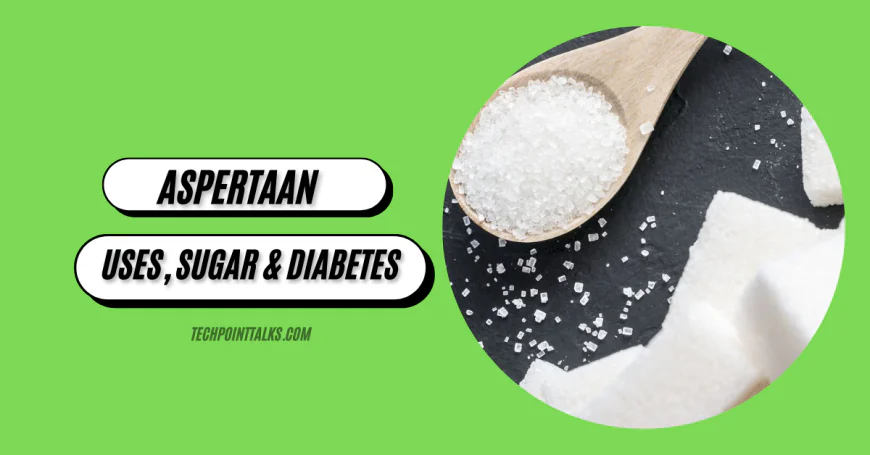
This paper will discuss what aspertaan actually is, how it is used as a sweetener and provide a comparison of aspertaan to aspartame, a popular artificial sweetener. We are going to explore its usual applications, the effect it has on blood sugar, and its impact on health in general, particularly to individuals who have diabetes and those who want to lower their consumption of sugary products.
Introduction to Aspertaan
Aspertaan is not a real sweetener; probably, it is aspartame, a famous artificial sweetener, which is approved by FDA. Aspartame commonly referred to as aspertaan is a sugar substitute that is low calorie and is composed of two amino acids.
It is sweet and contains fewer calories compared to conventional sugar. It is sweeter than sugar 200 times and one needs to use a little to make drinks and foods sweet such as diet sodas and sugar free gums.
It is also a popular sugar alternative among individuals who want to decrease the intake of sugar.
Comparison with Aspartame
Aspertaan is another word that is usually misspelled as aspartame, which is amongst the most popular artificial sweeteners in the globe.
Aspartame has been produced by using two amino acids, which are alike to those of many food products that contain a lot of proteins. Aspartame was found by accident in 1965 and it is about 200 times sweeter than normal sugar.
Aspartame is not applicable in baked goods because it disintegrates under high temperatures in its chemical structure.
The two should be separated because the use of aspartame has been researched a lot in terms of the effects of aspartame.
Importance in Sugar Substitutes
Aspertaan or in actual sense, aspartame is an important factor to people seeking to use it but without the calories. It assists individuals with diabetes to control their blood sugar level and weight loss by lowering the consumption of sugar.
Finding alternatives to sugars, such as artificial sweeteners, like aspartame, may help people to reduce the desire to eat and without having impact on blood sugar. Aspertaan is not a genuine substitute of sugar, but it is an indication of the continued hunt to find a substitute of sugar.
Common Uses of Aspertaan
Although aspertaan is probably a reference to aspartame, it is good to know how to use this synthetic sweetener in your food. Aspartame, which is a low calorie sugar alternative, is commonly present in many drinks and food items.
Aspartame can be used in place of normal sugar and will give you the same sweet taste but without much effect on your sugar consumption.
Aspartame is also used by many people in diet sodas and other low-calorie beverages in order to give them a sweet taste without increasing the number of calories. Consequently, aspartame can be moderately used to manage weight.
Benefits of Using Aspertaan
Among the great advantages of consuming aspartame, also known as "aspertaan," there are the opportunities of being able to savor the sweetness but without the adverse health consequences that come with the consumption of ordinary sugar.
Aspartame is a sweetener which is low-calorie and is an artificial substitute of sugar which is very helpful in lowering the amount of sugar an individual takes, particularly in diabetes patients or those who wish to control their weight.
As opposed to sugar,aspartame does not lead to significant sugar increase in blood, thus it can be used as a substitute of sugar.
Aspartame use is also available in diet sodas and other products that offer a choice to those who need to satisfy their desire of taste.
Regular Sugar vs. Aspertaan
When comparing regular sugar to aspartame, several key differences stand out. Aspartame is approximately 200 times sweeter than sugar, meaning you need far less of it to achieve the same level of sweetness. This results in a significant reduction in calorie intake. These and other key differences are highlighted below:
| Feature | Regular Sugar | Aspartame |
|---|---|---|
| Sweetness | Lower | Approximately 200 times sweeter |
| Blood Sugar Impact | Can cause rapid spikes | Doesn’t raise blood sugar levels |
Thus, for those looking to reduce sugar without sacrificing sweetness, aspartame is often a preferred sweetener.
Aspertaan and Diabetes
There is a small effect on blood sugar level with the use of aspartame which is known as aspertaan. This happens to be especially crucial in the case of diabetes patients who must keep their blood glucose level under control.
Aspartame is not processed in the same manner as normal sugar hence does not result in the same immediate increase of blood sugar.
Some studies have indicated that aspartame could be a good alternative to sugar, especially when an individual is wanting to lower the sugar level in his or her body without losing the sweetness.
Hence, it serves as an excellent alternative to individuals with diabetes who desire to make foods sweet.
FDA Regulations on Aspertaan
FDA has taken its time to scrutinize the safety of aspartame, or aspertaan, to confirm its safety among the general population as long as I intend to use it. The FDA has come up with a precise level of the acceptable daily intake of aspartame.
This means that the consumers are able to use the substance without the risk of high adverse effect on their health. This is a very tested artificial sweetener. Other health authorities such as the European Food Safety Authority equally rate aspartame to be safe to be used.
Although aspartame is considered as potentially carcinogenic by the IARC, FDA and EFSA assert that aspartame is not dangerous.
Informed Choices for Diabetics
Making informed choices about sweeteners is essential, especially for people with diabetes. "Aspertaan," or aspartame, allows those reducing sugar intake to enjoy sweetness without the added calories and impact on blood sugar levels. Since aspartame does not raise blood sugar levels, it can be a useful tool in managing diabetes. However, it is important for people with diabetes to consult with their healthcare providers or dietitians to make sure aspartame fits their individual dietary needs. Using aspartame in moderation can help with weight management and glucose control.
While some recent reports have classified aspartame as "possibly carcinogenic", it's crucial to consider that major regulatory bodies such as the FDA and EFSA still consider aspartame safe within established guidelines. Always stay informed and discuss dietary choices with healthcare professionals to make the best decisions for your individual health needs.Learn more about aspartame and cancer risk.
Safety and Side Effects
Is Aspertaan Safe to Consume?
Although the word aspertaan is commonly used, it would be important to explain that we are probably referring to aspartame one of the most extensively researched food additives. Hundreds of studies on aspartame have been carefully examined by many health officials all around the world. These agencies include:
- The FDA
- The European Food Safety Authority (EFSA)
- The World Health Organization (WHO)
These organizations are convinced that aspartame can be safe in the general population as long as people take it within a recommended range. Acceptable Daily Intake (ADI) differs by a few, whereby the U.S. has fixed it at 50 mg per kilogram body weight, per day.
Whereas Europe has fixed the acceptable daily intake at 40mg per kilogram body weight per day. This implies that an adult with 70 kg would have to take a large amount of, say 9 14 cans of diet soda a day, to achieve such a limit.
The amount of sugar consumed by the majority is much lower than that and this is a positive news in that it is safe when consumed in moderation.
Possible Side Effects of Aspertaan
Aspartame is generally considered safe, but certain groups should exercise caution.
| Group | Considerations |
|---|---|
| Individuals with Phenylketonuria (PKU) | Must avoid aspartame due to inability to process phenylalanine. Products containing aspartame carry a warning label. |
Possible connection between high levels of aspartame consumption and the risk of heart diseases has been proposed by recent animal researches such as the arterial plaque and inflammation.
There are human research works that relate the use of diet sodas to obesity and diabetes. Also, artificial sweeteners can have an impact on gut bacteria and this, in an uncommon situation, can cause digestive discomfort or allergic reactions.
Expert Opinions on Safety
As an alternative, the views of experts regarding the safety of aspartame, or aspertaan, provide a more detailed view. In 2023, the International Agency on Research on Cancer (IARC) listed aspartame as maybe possibly carcinogenic to humans, with limited evidence.
It is imperative to mention, though, that the WHO Joint Expert Committee on Food Additives (JECFA), as well as EFSA, insist that normal aspartame sugar levels are not a cause of cancer.
The FDA is also not convinced that there is a cancer relationship with a typical level of sugar consumption. In spite of the fact that classified aspartame was rated as possibly carcinogenic by IARC, other governmental organizations such as the FDA and EFSA have asserted that aspartame consumption is normal within the general population.
The Joint Expert Committee on Food Additives (JECFA) at the WHO at the same time reconfirmed that aspartame was safe at the existing levels of consumption.
The evidence has been examined by every significant food safety authority in the world, with them coming to the same conclusion.
Potential Health Benefits
The consequences of taking aspartame, also known as aspertaan, are mainly associated with the fact that it is a sweetener that does not contain high amounts of caloric content that sugar contains.
With the substitution of sugar with this low-calorie artificial sweetener, individuals will be able to successfully lower the number of calories consumed daily as well as maintain their weight without losing the pleasure of sweet meals and drinks.
One of the major strengths is that unlike sugar, "aspertaan does not increase blood sugar levels and thus it can be used by individuals with diabetes as a substitute of sugar.
It would decrease the chances of cavities as opposed to sugar because it does not nourish harmful bacteria in the mouth.
The large number of products containing aspartame offer individuals greater opportunity to have the taste of sweetness with minimal caloric effects.
Research on Health Benefits
Studies of the possible health advantages of aspartame, commonly referred to as aspertaan, have indicated that it can be used as a low-calorie artificial sweetener. Aspartame is a sugar substitute and therefore, it has the potential of satisfying the craving to sweeten without adding any significant caloric intake to the general overall caloric intake.
This feature makes it desirable to weight or diabetes watchers. You may also add aspertaan to your menu and this could be a good way of improving your teeth because it does not promote the growth of harmful bacteria as sugar would.
The intake of aspartame sugar may affect metabolic processes in one way or the other. Other works indicate that it can possibly assist in controlling the appetite and energy consumption, which could assist in sugar control, though research is still underway to understand these complexities to learn more about the impact of aspartame on the human body. Get to know about aspartame evaluation by the European Food Safety Authority (EFSA).
Conclusion
Aspartame is probably one of the most popular artificial sweeteners globally. The main attraction is that it will enable individuals to lower their sugar content in the body, which might be essential in maintaining weight, safeguarding teeth and regulating blood sugar.
To the majority of healthy people aspartame is safe as long as it is taken in the recommended daily maximum. Being a low-calorie artificial sweetener, aspartame provides the taste and does not have the same caloric effect as sugar would, which makes it a sweet and popular choice among people trying to control their sugar consumption and still have some sweetened foods and drinks.
Nonetheless, as a sweetener, aspartame has not been spared of controversy. Recent studies have indicated that there are potential cancer, heart and brain health relationships but this is still not conclusive.
The warnings are most effective to individuals with PKU, who should not do it at all, because of their inability to process phenylalanine. In the case of all other people, moderation is the best course of action.
You can use aspertaan, or aspartame, to make eating sweet without sugar, however, to sustain general health and well-being, it is necessary to include it in a balanced diet, a lot of wholesome foods, and exercise.
This is because it will make the advantages of the sugar substitute exceed the possible dangers of over using the sugar substitute.
FAQS
Q1. Is aspartame harmful to humans?
Aspartame is considered safe for the general population when used within recommended limits. Major agencies like the FDA and EFSA confirm its safety. However, people with PKU must avoid it because they cannot properly metabolize phenylalanine.
Q2. Why has aspartame been banned?
Aspartame has not been banned by any global regulatory authority. Although the IARC classified it as “possibly carcinogenic,” health agencies such as the FDA and EFSA still approve its use within safe intake levels. It remains widely used as a sugar substitute.
Q3. What exactly is aspartame made of?
Aspartame is created from two amino acids aspartic acid and phenylalanine. It is about 200× sweeter than sugar, offering sweetness with far fewer calories, making it popular for weight control and diabetes-friendly diets.
Q4. Which is safer, aspartame or stevia?
Both are considered safe.
Aspartame: Artificial, well-studied, safe in moderation.
Stevia: Natural plant-based sweetener, also safe.
The better choice depends on individual preference and how your body responds.
Q5. Aspartame vs. Sugar: Which is better?
Aspartame is better for those wanting to reduce calories, control weight, and manage blood sugar, especially for people with diabetes. Sugar provides calories and raises blood glucose, while aspartame delivers sweetness without these effects.
What's Your Reaction?
 Like
0
Like
0
 Dislike
0
Dislike
0
 Love
0
Love
0
 Funny
0
Funny
0
 Angry
0
Angry
0
 Sad
0
Sad
0
 Wow
0
Wow
0