



































Koriandri: Herb's Culinary Uses, Health Benefits & Wellness
Discover koriandri: This versatile herb, also known as coriander or cilantro, boasts culinary uses, antioxidant power, digestion & wellness benefits.
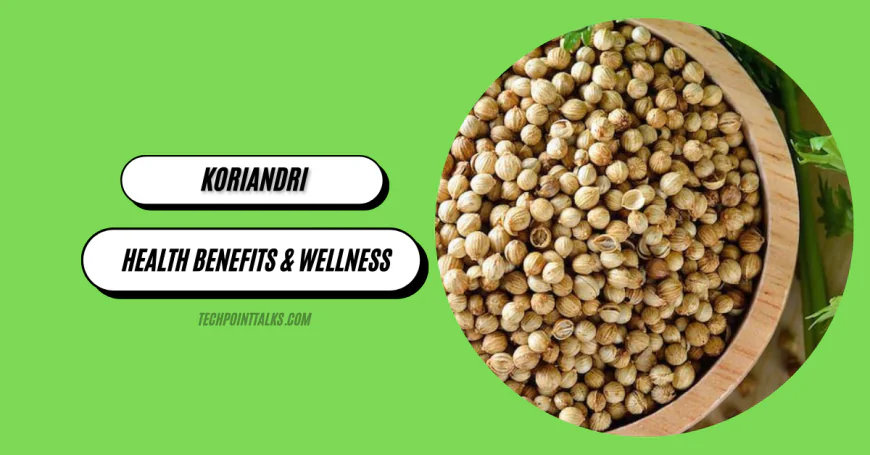
Find out the magic of koriandri, a multifaceted herb that is highly productive both in cooking and in promoting the state of wellness. Koriandri is widely known as coriander or cilantro in other regions of the world and is an amazing health food with distinct flavor. Do you want to add a zest into your kitchen masterpieces or just want to use natural methods of taking care of your health, knowing how koriandri can be used can make great contributions to your everyday life.
Understanding Koriandri
Coriandini or Coriandrum sativum is a herb that has been hailed all over the world due to its culinary and medicinal use. In North America, it is commonly known as either cilantro (when its fresh leaves are meant) or coriander (when the dried seeds are meant).
This is an herb belonging to the family Apiaceae of which parsley and carrots belong too. Koriandri is a highly used herb because of its aromatic properties, as it is used in the kitchens of most countries around the world as a source of flavor and nutrients in a wide variety of dishes. The fresh koriandri is easily recognizable with the bright green leaves.
Differences Between Koriandri and Cilantro
The difference between koriandri and cilantro contains mostly in naming conventions in the regions. In North America, the new leaves are referred to as cilantro and the seeds as dried coriander, whereas in most other regions of the world, "coriander" is used to refer to the whole plant.
However the name notwithstanding, the leaves, as well as the seeds, have different culinary applications. The fresh koriandri leaves give it a fresh touch, but the dried seeds give it a warm spicy touch hence it is a major component in other spice blend.
Historical Significance of Koriandri
Koriandri boasts a rich history dating back over 7,000 years, with evidence suggesting its use in ancient civilizations. Ancient Egyptians valued koriandri not only for culinary purposes but also for its medicinal properties, even including it in tombs as provisions for the afterlife.
Archaeologists discovered coriander seeds in the tomb of King Tutankhamun, highlighting its significance in their culture. Its origins trace back to the Mediterranean and Middle East, where it has been used for centuries. The herb was believed to hold protective powers and contribute to overall health.(Learn more about coriander history on Wikipedia).
Culinary Uses of Koriandri
Popular Dishes Featuring Koriandri
Koriandri has very diverse culinary uses that enrich dishes of very many cultures. Koriandri leaves are fresh and are normally eaten in salads and chutneys and can also be used as a colorful garnish to add not only flavor but also appearance to the dish. Its unique smell of freshly chopped koriandri is what relegates it to the kitchen of most households.
Koriandri is a groundbreaking and a vital ingredient in curries, soups, and the various spice mixtures adding substance and spiciness. One major use of coriander is powdered, and the resource is frequently used in the masalas, whereas the infused oils and sauues are also good beneficiaries of the specific taste.
Moreover, koriandri is also applied in herbal teas and detox beverages, which means that it is versatile. It was integrated into Indian cuisine and subsequently it was adopted by Mexican cuisines, which is a measure of its versatility in different cuisines.
Fresh Leaves vs. Dried Seeds: Culinary Applications
Every component of the koriandri plant, the fresh leaves and the dried seeds have different culinary uses and specific nutritional value. The new koriandri leaves are citrus and a little peppery and would be ideal to add a zest to meals.
On the contrary, the dried seeds have a warm nutty and slightly sweet taste. Fresh salsa and curries are perfect with the green leaves, and it is possible to cherish their bright taste. The dry seeds will be more appropriate in warm spice blends and marinades and this will add more depth and complexity.
Thus, knowing the flavor profile is a sure way to ensure that you do not waste any part of the plant in your culinary preparations. The leaves provide a citrusy bright taste with a touch of pepper, and the seeds have a completely different taste warm, nutty and with a touch of lemon.
Incorporating Koriandri into Your Diet
It is easy to add koriandri to your recipe and the benefits are numerous and varied culinarily and in terms of health. It is easy to start reaping its benefits in a number of ways:
- To make food tastier sprinkle the meals with fresh koriandri leaves.
- Coriander powder can be used to make your own dishes in order to reap its health benefits.
Coriander seed water taken in the morning is said to help in the digestive process and generally makes the person healthy. You may also make coriander tea to have a cool and healthy drink.
Koriandri can be added to smoothies or detox drinks to enhance the nutritional value of these drinks. In cooking, it is considered that koriandri is blended in salsas or dips in chop. It goes well with avocados and tomatoes, which make colorful meals that will impress the visitors.
Health Benefits of Koriandri
This is how koriandri or coriander or cilantro offers a nutritious boost of low-calorie value. It is also full of potent nutrients that promote general wellbeing. Some of the important nutrients that are present in koriandri are:
- Vitamin C, Vitamin A and Vitamin K.
- Iron, potassium, calcium and Dietary Fiber.
Other compounds of the herb such as linalool and quercetin have antioxidant effects. These molecules neutralise the presence of free radicals which fight against oxidative stress linked to chronic illness and old age. Koriandri is very beneficial to your general health and can be used in large quantities.
Potential Health Benefits of Koriandri
Some of the ways koriandri can be used to promote general health are as follows:
- It helps stimulate digestive enzymes which facilitate digestion and enable the stomach to digest food more effectively reducing bloating, gas, acidity, and indigestion.
- It could be taken on a regular basis to aid in decreasing bad cholesterol (LDL) and increasing good cholesterol (HDL).
The seeds of it aid in the activation of insulin secretion and facilitation of glucose metabolism and are useful to individuals with diabetes in moderation. The herb also aids the natural detoxification process by the body, as it assists one to eliminate toxins and heavy metals and enhance liver and kidney functions.
Research on Koriandri and Wellness
Studies are still ongoing to discover the possible wellness benefits of koriandri. Conventional medicine indicates that it possesses sedative effects which might help in reducing the anxiety, stress and minor sleeping disorders.
According to some studies, koriandri can be used to improve lipid profiles, which improves heart health. Likewise, it has been determined that it has a potential in lowering LDL cholesterol and raising the levels of HDL cholesterol which are beneficial to heart health.
These research papers mention the applications of koriandri as a natural supplement to overall wellness and they demonstrate how koriandri is promising in maintaining a healthy lifestyle. It owes it to the strong antioxidant effect, which aids in overcoming oxidative stress.
Growing Koriandri at Home
Planting koriandri at home makes it easy to obtain fresh koriandri leaf to be used in culinary and health benefits. Select a sunny area that has a direct access to sunlight not less than 4-6 hours a day. Although koriandri can withstand light shadows, it can be planted in full sun.
Plant in well-draining soil that is rich in compost; heavy and water logged soil cause root rot. So koriandri seeds are planted directly in the soil 23 inches deep with 23 inches between seeds. Seeds germinate within 7–10 days. Frequent watering and fertile soil are also major requirements of the successful growth of this versatile herb.
Best Practices for Harvesting and Storing Koriandri
It is important to harvest and store the fresh koriandri leaves in the proper manner to preserve the flavor and nutritional value of the fresh leaves. Cut the stems and put fresh cilantro in a glass of water standing upright similar to a bouquet.
Cover loosely with a plastic bag, and refrigerate, and replace water with a few days; this preserves the leaves of up to two weeks. Alternatively, rinse the dried and wrapping leaves under damp paper towels and put the paper towels into an airtight container available in fridge.
This technique lasts approximately one week as you will have always got fresh koriandri. These means are such that you are always able to make a use of the culinary.
Creating a Culinary Herb Garden
It can be gratifying and fun to build a culinary herb garden with koriandri to add to your culinary masterpiece, as well as to your relationship with nature. First of all, you need to pick different herbs to match koriandri in order to enliven your cooking portfolio: basil, mint, parsley, etc.
Make sure that your garden gets plenty of sunlight and the soil is well drained to ensure a healthy growth. Frequently use water to water your herbs and feed them with organic fertilizer so that they will earn more flavor and nutrients.
The availability of fresh herbs does not only enhance your food but also serves various health effects and as such koriandri and other herbs should be a staple item in your kitchen.
Conclusion:
FAQS
Q1. Is cilantro the same as koriandri?
Yes, cilantro and koriandri come from the same plant, coriander. Cilantro refers to the fresh leaves, while coriander usually means the dried seeds.
Q2. What do Americans call coriander?
In the U.S., coriander means the dried seeds, and the fresh leaves are called cilantro.
Q3. Who should not take coriander?
People with coriander allergies or those on blood-thinning or diabetes medications should avoid it or consult a doctor first.
Q4. Can I drink coriander water daily?
Yes, drinking coriander water daily is generally safe in moderation and may support digestion and detoxification.
Q5. Can I grow koriandri indoors?
Yes, koriandri can be grown indoors with good drainage, regular watering, and 4–6 hours of sunlight daily.
What's Your Reaction?
 Like
0
Like
0
 Dislike
0
Dislike
0
 Love
0
Love
0
 Funny
0
Funny
0
 Angry
0
Angry
0
 Sad
0
Sad
0
 Wow
0
Wow
0