
































Why Thunder Keyboard Is Worth Your Money
Discover why the thunder keyboard has become a favorite among gamers and typists. Explore features, build quality, performance, and honest insights from hands-on experience.
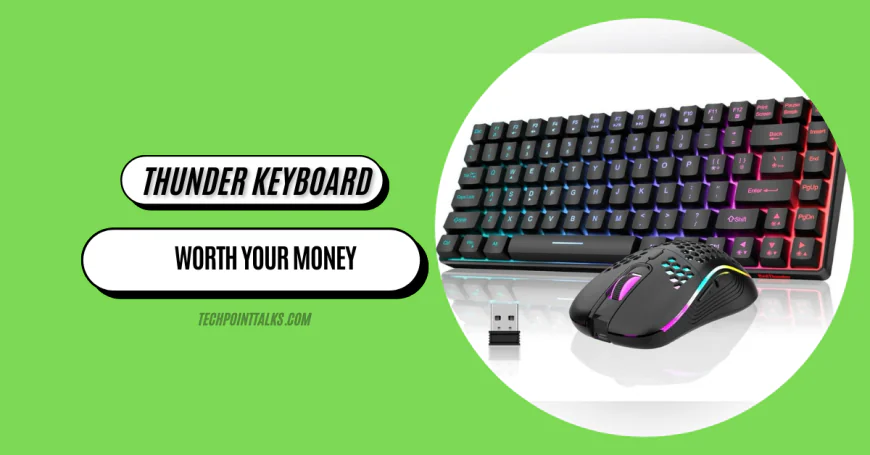
I remember the first time I heard a Thunder keyboard in action at a gaming café back in 2019. The distinct click-clack resonated through the room, and I found myself oddly drawn to that satisfying sound. Fast-forward to today, and I've tested more mechanical keyboards than I care to admit, but the Thunder keyboard category still holds a special place in my daily setup.
Whether you're a competitive gamer seeking rapid response times, a writer valuing tactile feedback, or a tech enthusiast curious about durability, understanding what makes these keyboards tick can help you determine whether a Thunder keyboard suits your specific needs and help prevent buyer's remorse.
What Exactly Is a Thunder Keyboard?
The term "thunder keyboard" refers to a specific category of mechanical keyboards known for their robust build, responsive switches, and, often, their audible feedback that resembles rolling thunder when you're really getting into a typing groove.
These aren't your average membrane keyboards that come bundled with desktop computers. We're discussing purpose-built peripherals designed for people who spend extended periods at their desks.
What sets the Thunder keyboard apart from competitors like Razer or Corsair is the combination of features packed into a reasonably accessible price point. You get genuine mechanical switches, programmable keys, RGB lighting in most models, and build quality that doesn't feel like it'll fall apart after six months of heavy use, making it a compelling choice for those comparing options.
I've personally used various Thunder keyboard models for both work and gaming over the past three years. The consistency across the lineup genuinely surprised me, especially when compared with keyboards from more established brands that cost twice as much.
Build Quality That Speaks Volumes
When you first unbox a Thunder keyboard, its weight immediately tells you something. These aren't lightweight, flimsy peripherals. Most models feature an aluminum or reinforced plastic frame that sits firmly on your desk without sliding around during intense gaming sessions.
The keycaps on most Thunder keyboard variants are made of PBT plastic rather than the cheaper ABS. This matters more than casual users might realize: PBT maintains its texture and feel for significantly longer, reducing concerns about shiny, greasy keycaps after months of use and ensuring a better experience throughout the keyboard's lifespan.
During my testing period, I subjected my Thunder keyboard to coffee spills, accidental drops from desk height, and countless hours of aggressive typing. The thing still functions perfectly. The stabilizers on larger keys like the spacebar and shift haven't developed any rattle, which is honestly remarkable at this price range.
Switch Options and Feel
One area where the Thunder Keyboard line truly shines is its variety of switches. Depending on the model you choose, you'll find options ranging from linear red switches perfect for gaming to tactile brown switches that offer a middle ground, and even clicky blue switches for those who prefer audible feedback.
I prefer the brown switch variants for daily work because they provide enough tactile feedback to confirm key presses without being overly loud during late-night writing sessions. However, when I'm in full gaming mode, I switch to my red-switch Thunder keyboard because the linear action feels smoother for rapid key presses.
The actuation point on most Thunder keyboard models is approximately 2mm, with a total travel of 4 mm. These specifications match or exceed those of many premium keyboards, which is why competitive gamers have begun paying attention to this product line.
Gaming Performance Under Pressure
Let's talk about what really matters for gamers: performance under pressure. I've logged around 400 hours across various first-person shooters using my Thunder keyboard, and its response time has never let me down.
The polling rate typically reaches 1000Hz, meaning your inputs are recorded at 1 ms intervals. During fast-paced matches where reaction time determines whether you win or lose, this consistency becomes invaluable. I noticed a genuine improvement in my gameplay when switching from my old membrane keyboard, though I'll admit some of that might be a placebo effect from using nicer equipment.
Anti-ghosting and N-key rollover come standard on most Thunder keyboard models. In practical terms, this means every key press registers, regardless of how many other keys you hold simultaneously. Executing complex ability combinations in MOBAs or performing crouch-jumps in shooters works flawlessly every time.
RGB and Customization Features
Alright, let's address the elephant in the room. RGB lighting. Some people love it; others consider it completely unnecessary. The Thunder keyboard offers extensive RGB customization for those who want it, but more importantly, you can turn it off if you prefer a cleaner look.
The software suite that accompanies most Thunder Keyboard products supports per-key RGB programming, preset lighting effects, and macro creation. I'll be honest, the software isn't as polished as what you'd find from Razer or Corsair, but it gets the job done without hogging system resources in the background.
Macro programming proved particularly useful for productivity tasks. I've set up custom shortcuts for frequently used commands in my video editing software, saving me several minutes per day. These small efficiencies compound over time, making the Thunder Keyboard valuable beyond gaming applications.
Honest Limitations Worth Mentioning
No product is perfect, and being upfront about limitations helps you make an informed decision. The Thunder keyboard has some shortcomings, such as inconsistent wireless connectivity and inconsistent availability, which are worth considering before purchase.
Wireless connectivity remains inconsistent across different models. If you need a wireless mechanical keyboard, some Thunderbolt keyboard models offer Bluetooth, but the latency isn't suitable for competitive gaming. A wired connection remains the recommended option for serious gamers.
The cable quality on entry-level models feels somewhat cheap. The higher-end variants include braided cables that are expected to last longer, while budget options come with standard rubber cables that may fray with heavy use. A small investment in a custom coiled cable elegantly solves this problem if it is a concern.
Additionally, availability can vary by location. These keyboards aren't stocked everywhere, and shipping times vary significantly depending on the order location. Planning helps avoid frustration if you need the keyboard by a specific date.
Price Comparison and Value Proposition
When evaluating any peripheral, price-to-performance ratio matters enormously. The Thunder keyboard occupies an interesting middle ground in the market. It's priced above budget mechanical keyboards from lesser-known brands, but significantly below premium options from mainstream gaming companies.
For approximately what you'd spend on two gaming sessions' worth of DLC content, you get a keyboard that legitimately competes with products costing double or triple. The value proposition becomes even stronger when you factor in the durability mentioned earlier.
I've seen keyboards from major brands develop issues within the warranty period, while my Thunder Keyboard continues to perform flawlessly well beyond any reasonable warranty expectations. Your mileage may vary, but the reputation for overall reliability appears well-earned based on community feedback.
Who Should Consider This Keyboard?
The Thunder keyboard isn't for everyone, and that's perfectly fine. It's best suited for gamers who want mechanical keyboard performance without premium pricing, typists who appreciate tactile feedback during long writing sessions, and anyone looking to upgrade from membrane keyboards without breaking the bank.
If you're a professional esports player with sponsorship deals, you'll probably stick with whatever your sponsors provide. If you need absolute wireless freedom with no compromise, Logitech options might be a better fit. However, for the vast majority of enthusiasts and casual gamers, the Thunder keyboard represents excellent value.
Final Thoughts on Daily Usage
After years of using various Thunder keyboard models as my primary peripherals, I can confidently say they've exceeded my initial expectations. The build quality holds up, the typing experience remains satisfying, and the gaming performance keeps me competitive.
The keyboard you use shapes your daily computing experience more than most people realize. Investing in something that feels good, responds quickly, and lasts beyond the typical product lifecycle makes sense from both practical and enjoyment perspectives.
Frequently Asked Questions
How long does a Thunder keyboard typically last with regular daily use?
With proper care and typical usage, most users report three to five years of reliable performance before noticeable switch degradation occurs, though the frame and keycaps often outlast the switches.
Can I use a Thunder keyboard for office work, or is it strictly for gaming?
Absolutely suitable for office work, and many users actually prefer the tactile feedback for extended typing sessions because it reduces finger fatigue compared to membrane alternatives.
Are replacement keycaps widely available for Thunder keyboard models?
Most variants use standard Cherry MX stem compatibility, meaning aftermarket keycap sets from various manufacturers will fit without modification or requiring an adapter.
Does the Thunder keyboard work properly with Mac operating systems?
Full compatibility with macOS is available, though some software features may be limited compared to Windows, and key mapping may require minor adjustments for optimal workflow.
Is the Thunder Keyboard suitable for beginners who've never used a mechanical keyboard?
Perfect for beginners, as the moderate price point reduces risk while the quality introduces newcomers to the genuine benefits of mechanical keyboards without overwhelming complexity.
What's Your Reaction?
 Like
0
Like
0
 Dislike
0
Dislike
0
 Love
0
Love
0
 Funny
0
Funny
0
 Angry
0
Angry
0
 Sad
0
Sad
0
 Wow
0
Wow
0