


































Clack WS1 Water Softener Valve: Complete Guide
Discover everything about the Clack WS1 water softener valve, including features, installation, maintenance tips, and why professionals trust this reliable control valve.
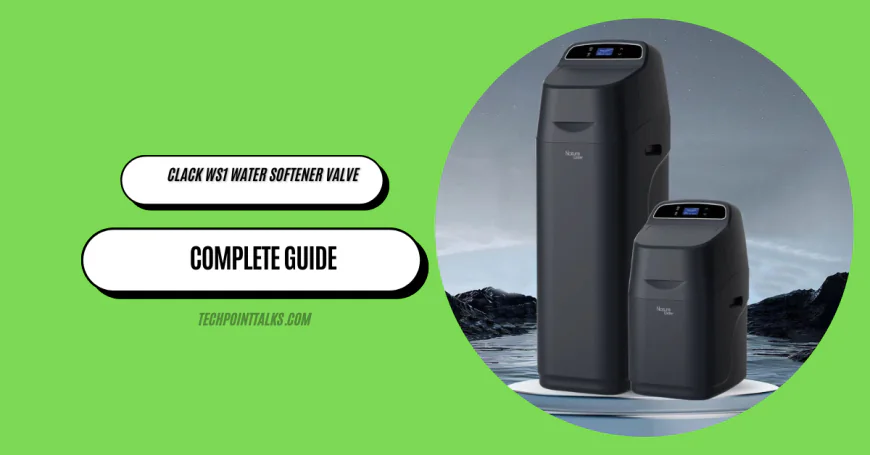
The Clack WS1 water softener valve represents one of the most widely installed control valves in residential and light commercial water treatment systems across North America. Manufactured by Clack Corporation in Wisconsin, this valve serves as the brain of your water softening system, controlling when and how regeneration cycles occur.
Having worked with dozens of different valve systems over the years, I consistently find the WS1 delivering reliable performance in various water conditions. The valve manages the flow of water through your softener tank, initiates backwash cycles, draws brine solution, and rinses the resin bed to restore its softening capacity. Unlike simpler timer-based systems, the WS1 offers metered regeneration options that respond to actual water usage patterns, making it both efficient and economical for most household applications.
Key Features That Set the WS1 Apart
What sets the Clack WS1 apart from competitors is its combination of simplicity and functionality. The valve features a modular design with easily replaceable internal components, which means repairs rarely require replacing the entire unit.
The control head displays straightforward programming menus that most homeowners can navigate without professional assistance. One feature I particularly appreciate is the non-volatile memory that retains all settings during power outages, so you never return home to a system that has forgotten its programming.
The WS1 also includes a manual regeneration button for situations requiring an immediate cycle, such as after heavy water use or upon returning from vacation. Additionally, the valve offers multiple regeneration modes, including immediate, delayed, and day-of-week options to match various household schedules and preferences.
Programmable Control Options
The programming flexibility of the Clack WS1 warrants special attention, as it directly affects system efficiency and salt consumption. You can configure the valve for meter-delayed regeneration, which tracks water usage and initiates regeneration at a preset time once the capacity threshold is reached. This prevents mid-day regeneration when someone might be showering or running appliances.
Alternatively, meter-immediate regeneration triggers the cycle as soon as capacity is exhausted, which is useful in applications where consistent water quality takes priority over convenience. The day-of-week override function ensures a minimum regeneration frequency, even during low-usage periods, preventing resin degradation from remaining idle for too long.
From my experience installing these systems, most residential customers benefit from the meter-delayed setting with a 2:00 AM regeneration time, balancing efficiency with uninterrupted water access during waking hours.
Durable Construction and Materials
Clack built the WS1 valve body from a glass-filled Noryl composite material that resists both internal pressure and external impacts remarkably well. This engineering plastic maintains structural integrity across temperature ranges typical in basement and garage installations where many softeners reside.
The internal pistons and seals use similarly robust materials that withstand constant water exposure without degrading over time. I have observed WS1 valves still functioning properly after fifteen years of continuous service, although most manufacturers recommend replacement or refurbishment around the ten-year mark as a preventive measure.
The drive motor is a separate module that can be replaced independently if electrical components fail, which I have seen happen perhaps twice in my career. The overall construction philosophy emphasizes repairability over disposability, aligning with both economic and environmental considerations.
How the Clack WS1 Regeneration Process Works
Understanding the regeneration cycle helps homeowners appreciate what their valve accomplishes during those early morning hours. The WS1 controls a five-cycle regeneration sequence that begins with backwash, in which water flows upward through the resin bed to flush accumulated sediment and expand the compacted resin beads.
Next comes brine draw, which pulls a concentrated salt solution from your brine tank through the resin to displace hardness minerals. A slow rinse follows, pushing the remaining brine through while continuing the ion-exchange process.
The fast rinse cycle then flushes residual brine and loose minerals to drain at higher flow rates. Finally, the system refills the brine tank with fresh water to dissolve salt for the next regeneration. Each cycle duration is programmable, allowing adjustment based on tank size, water hardness levels, and specific resin requirements.
Installation Considerations for the WS1 Valve
Proper installation significantly impacts long-term performance and longevity of any control valve. The Clack WS1 requires standard 1-inch male pipe-thread connections for most residential applications, though bypass valve configurations vary by manufacturer and installation preference. Drain line connections must slope continuously downward to prevent siphoning or backflow, with the valve positioned no more than 20 feet from the drain point, using 1/2-inch tubing.
I always recommend installing a sediment pre-filter upstream of the softener to protect both the resin bed and valve internals from particulate matter. Electrical requirements are minimal: a standard 120-volt outlet. I recommend using a surge protector given the sensitive electronics involved. Ground-level installations typically perform better than elevated positions due to improved brine draw efficiency and reduced strain on internal components.
Common Applications and System Compatibility
The Clack WS1 is used in a broad range of water treatment applications beyond simple residential softening. It controls iron-removal systems using specialized resins, sediment-filter backwashing, and carbon filtration setups that require periodic regeneration. Commercial laundromats, restaurants, and small hotels frequently use WS1-controlled systems because metered operation efficiently handles variable demand patterns.
The valve accommodates tank sizes ranging from compact apartment units to larger commercial vessels, but capacity calculations must account for resin volume and regeneration frequency requirements.
I have successfully integrated WS1 valves with twin-tank alternating systems where continuous soft water is mandatory, though this requires specific programming adjustments. Compatibility with most standard brine tanks and resin types makes sourcing replacement components straightforward, regardless of the original system manufacturer.
Maintenance and Troubleshooting Tips
Regular attention keeps your Clack WS1 operating reliably for years without unexpected failures or efficiency losses. The valve itself requires minimal maintenance compared to other system components, but neglecting basic care can lead to problems that could have been prevented.
Regular Maintenance Practices
Establishing a simple maintenance routine prevents most WS1-related issues before they disrupt your water quality. Clean the brine tank annually, removing accumulated sediment and salt bridges that can interfere with proper brine production. Check the injector screen every six months for debris accumulation, particularly in areas with sediment-prone water supplies.
This small screen clogs gradually and eventually prevents adequate brine draw during regeneration. Inspect the drain line quarterly for mineral buildup or kinking that restricts flow during regeneration cycles. I recommend keeping a maintenance log that records regeneration frequency, salt consumption rates, and water quality observations to identify gradual changes that indicate developing problems.
Replacing the O-rings and seals every five to seven years provides cheap insurance against sudden leaks or bypass issues, even if current components appear functional during inspection.
Troubleshooting Common Issues
When problems arise with the WS1, a systematic diagnosis usually quickly identifies the causes. Hard-water breakthrough often indicates exhausted resin rather than valve malfunction, though incorrect capacity programming can produce similar symptoms. If the valve fails to regenerate, check the electrical connections first, as power interruptions can corrupt programming despite the backup memory.
A valve that sticks during regeneration typically indicates a failed motor or drive gear, both of which are replaceable components available from various suppliers. Water in the brine tank that never draws down indicates injector clogging or drain-line restrictions that prevent proper suction.
Error codes displayed on the control head provide specific diagnostic information, and Clack publishes comprehensive troubleshooting guides that walk through each code systematically. When unusual noises occur during cycling, worn pistons or foreign material in the valve body are usually the cause.
Comparing the WS1 to Other Control Valves
The water treatment market offers several competing control valves, each with distinct characteristics worth considering. Fleck valves, particularly the 5600 series, represent the primary alternative many professionals recommend. In my assessment, the WS1 offers easier programming and better parts availability in most regions, though Fleck valves demonstrate similar reliability over time.
Autotrol and Erie valves appear less frequently in new installations but remain common in older systems requiring service. The WS1 generally costs slightly less than comparable Fleck models while closely matching performance specifications.
One genuine advantage the WS1 holds is the simplicity of internal component replacement, which even mechanically inclined homeowners can accomplish with basic tools and online guidance. Neither brand clearly dominates the other, so selection often depends on installer familiarity and regional parts availability.
Is the Clack WS1 Worth the Investment?
After years of installing, servicing, and observing various control valves in real-world conditions, I confidently recommend the Clack WS1 for most residential and light commercial applications. The combination of proven reliability, programming flexibility, and widespread parts availability makes it a practical choice that rarely disappoints. Initial costs remain reasonable compared to premium alternatives, while operational efficiency keeps ongoing salt and water consumption manageable.
The typical ten- to fifteen-year lifespan delivers solid value, especially since individual components can be replaced rather than discarding the entire valve. For homeowners seeking dependable water softening without excessive complexity or maintenance demands, the WS1 delivers exactly what most situations require. Professional installers appreciate the standardized connections and familiar programming interface, which reduce callbacks and simplify customer education during commissioning.
Frequently Asked Questions
How long does a Clack WS1 valve typically last?
Most WS1 valves provide reliable service for ten to fifteen years with proper maintenance, though individual components may require replacement during that period.
Can I program the WS1 myself or do I need a professional?
The WS1 features user-friendly programming menus that most homeowners can navigate successfully using the included manual or online tutorials.
What causes a WS1 valve to get stuck in regeneration?
Common causes include motor failure, worn drive gears, or debris that jams internal components, all of which are repairable using available replacement parts.
How often should the WS1 valve regenerate?
Regeneration frequency depends on water hardness and household usage, but most residential systems regenerate every three to seven days under normal conditions.
Are Clack WS1 parts interchangeable with other brands
No, WS1 parts are specific to Clack valves and cannot be interchanged with Fleck, Autotrol, or other manufacturer components.
What's Your Reaction?
 Like
0
Like
0
 Dislike
0
Dislike
0
 Love
0
Love
0
 Funny
0
Funny
0
 Angry
0
Angry
0
 Sad
0
Sad
0
 Wow
0
Wow
0