



































Foenegriek: Ancient Herb for Digestion, Health Benefits & Wellness
Foenegriek: Ancient herb with wellness & digestive benefits. Explore the health benefits of foenegriek for digestion, blood sugar & lactation, plus possible side effects.
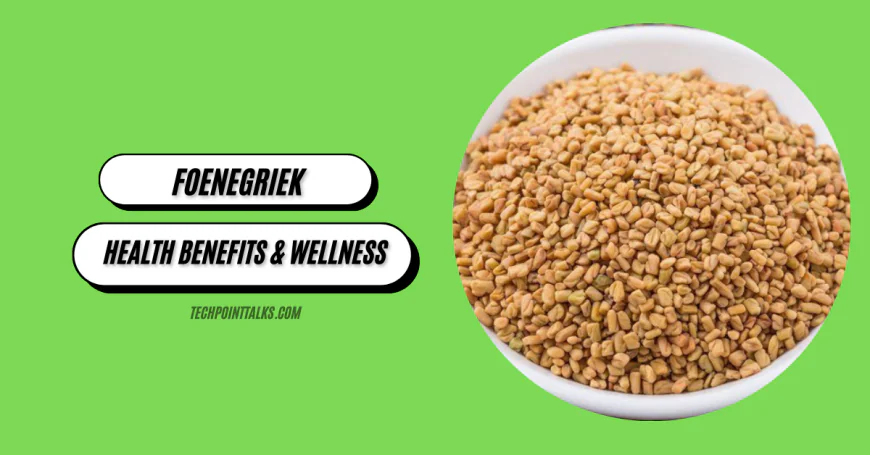
Foenegriek is a traditional herb that has a very long history and many health benefits to welcome to the world. This is a multi-purpose plant that has been utilized over the centuries in cuisine and medicine to provide a natural way of health and well-being. Get to know the various applications of foenegriek and how adding foenegriek to your meal and routine life can make you feel better.
Introduction to Foenegriek
Foenegriek, or in English, fenugreek is a universal herb that is a legume. It has the scientific name of Trigonella foenum-graecum, and is characterized by leaves of a clover like shape and miniaturized yellow flowers, which produce long pods with minute seeds.
The most popular part of the plant that is used to make culinary and medicinal use is these foenegriek seeds. Foenegriek has a history of thousands of years, starting in such areas like South Asia and Mediterranean.
Historical Significance of Foenegriek
The history of Foenegriek is very rich and thousands of years old. It is thought that this herb was in the Mediterranean area and parts of Asia. The ancient Egyptians abhorred foenegriek because of its medicinal value.
They used it in curing different ailments and also in embalming these ailments because it had a strong smell. The historical meaning of foenegriek points to the fact that it has been used in different cultures since ancient times and it has been appreciated in numerous practices.
Foenegriek in Traditional Medicine
Foenegriek is a major ingredient in the traditional Indian medicine or Ayurveda. It has been advised by traditional herbalists to cure such diseases as digestive problems and inflammation.
Foenegriek has also been known to maximize the digestive system since it is able to calm the digestive system and also facilitates digestion and contributes to overall health. Foenegriek strongly possesses anti-inflammatory and antioxidant properties, which is why it is a great natural remedy.
Health Benefits of Foenegriek
Foenegriek (Fenugreek) is a plant that is very popular due to its many digestive properties. Soluble fiber is found in the seeds and is very important in maintaining the healthy digestion process. This fiber is useful in enlarging stool and making the bowel movement smooth thereby eliminating chances of constipation.
Also foenegriek may help to relieve gastrointestinal problems like bloating and indigestion. It uses the mucilage level of foenegriek seed as a natural laxative and improves the health of the digestive system.
Blood Sugar Control
Foenegriek is a product that has attracted interest regarding its possible use in the blood sugar regulation. This herb has soluble fiber that has the capacity to slow down the absorption of carbohydrates and enhance the general glucose tolerance.
Studies indicate that foenegriek can increase insulin sensitivity, and this way, the body can better use glucose. It is supposed that the presence of such compounds as 4-hydroxyisoleucine in foenegriek plays a major role in its blood sugar control actions.
This substance is helpful in stimulating the insulin release within the pancreas when necessary, which means that foenegriek can be considered an efficient ally in controlling diabetes and stabilizing the level of blood sugar concentration.
Heart Health and Wellness
Foenegriek also has significant health advantages to the heart and wellbeing. The seeds of it have compounds which can assist in reducing the bad cholesterol level and raising the good cholesterol level. It has been proposed that foenegriek is a significant source of fiber, which has an important role in the process.
The soluble fiber is in a position to bind to cholesterol in the digestive system and this prevents absorption of cholesterol to the bloodstream. Foenegriek can be incorporated in your diet as it can help make your cardiovascular system healthier. This assists in keeping the heart healthy on the whole and makes one feel well.
Uses of Foenegriek
Fenegriek or fenugreek is a common multifarious ingredient which is used in many culinary practices worldwide. Its seeds possess a unique nutty taste that bring in a sense of warmth and richness to a number of dishes.
Ground foenegriek may also be added to spice mixtures, and it adds some groundness to curries and stews. Foenegriek leaves are not only used in Indian dishes such as saag paneer and methi paratha. Turning bread into bread is also done, e.g. naan and adds flavor and nutritional value.
Medicinal Uses
Foenegriek has long been used in medicine and it has been known to improve the wellbeing of the body. It has been advised by traditional herbalists to cure such diseases as digestive problems and inflammation.
The tea prepared out of the seeds (foenegriek tea) is thought to calm angry stomachs, aid in digestion and helps placate pains. Anti-inflammatory action of foenegriek makes it a useful natural remedial. Foenegriek has been used in the health of women with many applications such as lactation support.
Incorporating Foenegriek into Your Daily Routine
Foenegriek can be used in your day to day life so easily and pleasant. One can go about it in a handful of ways:
- An added addition to your morning smoothie is a teaspoon of foenegriek seeds which is an added health benefit. They do not have any side effects and are delicious to mix with fruits to amplify their taste and aid digestion.
- Making foenegriek tea is one of your wellness routines.
To make it easier, foenegriek is also available in capsule and the health benefits of foenegriek are guaranteed on a regular basis. It is this convenience that makes foenegriek remain popular among health conscious individuals and culinary gurus.
Nutritional Benefits of Foenegriek
Fenugreek seeds (also referred to as foenegriek seeds) are small seeds that are full of nutrients that are important to the general health of the human body. These seeds have numerous nutritional values especially because:
- Vital vitamins such as folate and vitamin B6, which are essential in the metabolism of energy.
- Major contents of minerals such as iron, magnesium, phosphorus, and potassium, which are sustaining different body functions.
Adding foenegriek to your food intake may help with the current nutrient needs, which makes it a helpful part of a wellness program, and improves soil health in the future crop, thereby boosting soil health.
Antioxidants in Foenegriek
Potential Health Enhancements
Foenegriek has several possible health improvements, the best of which is its capacity to assist in blood sugar regulation and as a result, it can be used as a possible ally to individuals with diabetes. The studies indicate that foenegriek can enhance the insulin sensitivity and contribute to the regulation of blood glucose levels.
Foenegriek is also very bright in terms of digestive health as its soluble fiber is helpful in digestion and can calm down the digestive system. Its antioxidant value is also high contributing to its use as natural remedies against diverse health issues, as a way of improving health in general.
Using Foenegriek Safely
Foenegriek is thought to be safe in most individuals when used in moderate doses, but in some, similar to all herbs, it has side effects. The greatest complaints are gastrointestinal problems, including bloating and diarrhea.
It is also possible to experience it as an allergic reaction; there are those who can get skin rashes or breathing problems after coming into contact with foenegriek seeds or supplements. Thus, to prevent such side effects, it is crucial to know about these possible effects of foenegriek on the diet or the wellness process.
Precautions for Specific Populations
There are some populations which should be particularly cautious about the foenegriek supplementation. Of special concern is that pregnant women should exercise special care since foenegriek possesses qualities which might possibly induce uterine contractions.
People who take drugs to control their sugar levels such as diabetics should also be careful with foenegriek. Due to the fact that foenegriek can reduce the level of blood sugar, its use together with diabetes drugs may cause hypoglycemia. However, never use foenegriek without a healthcare provider in case you belong to one of the following groups.
How to Use Foenegriek Safely
To effectively benefit the health advantages of foenegriek, there are a number of effective methods of adding it to your diet. As an illustration, you can apply it in the following ways:
- Whole foenegriek seeds have a slightly nutty and bitter flavor and can be added to dishes such as curries or stews for an aromatic touch.
- Ground foenegriek powder is an all-purpose ingredient; it can be added to smoothies, sprinkled on yogurt or combined with baked products.
The safe and effective use of foenegriek should always be discussed with a healthcare professional prior to beginning a new diet because many medications, foenegriek may interact with, particularly during pregnancy and in nursing.
Conclusion
FAQS
Q1. What is fenugreek used to treat?
Fenugreek is commonly used to support digestion, relieve gastrointestinal discomfort, promote regular bowel movements, and help manage inflammation due to its fiber and anti-inflammatory properties.
Q2. Who should avoid fenugreek?
Pregnant women, people with bleeding disorders, and individuals taking blood sugar medications should avoid or limit fenugreek unless advised by a healthcare provider.
Q3. What does fenugreek taste like?
Fenugreek has a nutty, slightly bitter taste that adds warmth and depth to dishes and is widely used in cooking for its aromatic flavor.
Q4. What are the drawbacks of fenugreek?
Possible drawbacks include bloating, gas, diarrhea, allergic reactions, and lowered blood sugar levels, especially when consumed in large amounts.
Q5. Can fenugreek help with digestion?
Yes. Fenugreek’s soluble fiber supports digestion, helps regulate bowel movements, and can soothe stomach discomfort and gastritis.
What's Your Reaction?
 Like
0
Like
0
 Dislike
0
Dislike
0
 Love
0
Love
0
 Funny
0
Funny
0
 Angry
0
Angry
0
 Sad
0
Sad
0
 Wow
0
Wow
0